

In the heated climax of a confrontation between Alma Imhoff — Julia Roberts’ harried Yale professor in this year’s “After the Hunt” — and her one-time protégée, Maggie Resnick (Ayo Edebiri), Alma leans forward to cut through the bullsh*t. Despite waging this war between student and teacher, Maggie’s not prepared for battle, telling Alma she’s no longer comfortable with their conversation. Steadfast and pissed off, Alma smacks her lips and smirks, leaning forward with a cutting whisper: “Not everything is supposed to make you comfortable.”
There’s a whole world of truth inside Alma’s remark, no matter how unpleasant it may be to accept. We live in a uniquely uncomfortable time, and no matter how many years in a row it’s true, 2025 was unlike any other year. There were political assassinations, censorship scandals, back-alley knockoffs of a viral toy, stomach-churning developments in AI, jewel heists, gutting celebrity deaths, blue jean boycotts, and perhaps one of the longest, most exhausting first years of any American presidency on record. Some good stuff happened, too, but it’s already fading from memory. It’s easy to become weary when pigswill piles up faster than we can shovel it away. That’s exactly why a film like “After the Hunt” stands out from this year’s cinematic softballs: It’s just one of many 2025 releases that spoke to our distinctly modern discomfort and forced us to sit inside of it, if only to help viewers find a way out.
From genocidal aliens to aimless bromances, the best films of the year were audacious enough to reach a hand into the shadowy corners of our collective unrest, unafraid of what they might bring back with them after their survey was finished. In their efforts, they illuminated our reality for what it is: contradictory and confounding, as hopeless as it is brimming with love and community. This year, the standouts shattered our shared discontent, reminding viewers that there’s no better way to make sense of a world in collapse than submitting ourselves to the dark of a movie theater. Here, then, are 2025’s nine best films — funny, outrageous, awkward and beautiful; exactly how life should be, even among the wreckage.
(Courtesy of Janus Films ) Vincent Cassel and Diane Kruger in “The Shrouds”
9) “The Shrouds”
David Cronenberg’s latest may be a comedy, but “The Shrouds” is not exactly uproarious — unless the acute pain of grief and the creeping feeling that we’re all slowly being replaced by artificial intelligence is your idea of hysterical, then, by all means. But for a writer-director like Cronenberg, who has spent his career mining horror and humor alike from his viewers’ relationships with their bodies and realities, “The Shrouds” is an undeniably comedic take on death’s inevitability. Karsh (Vincent Cassel), a widower and tech magnate, is doing all he can to stave off death. His latest invention, GraveTech, gives people the opportunity to say hello to their loved ones as they decompose six feet underground, at the touch of a button. What initially seems preposterous soon looks like the inevitable next step in a world where AI — and particularly AI companionship — is exploding. In his singularly prescient way, Cronenberg lampoons big tech and the desire to preserve love at any cost, using his own real-life grief to suggest that we’re spending far too much time trying to figure out how to hold onto what we had after it’s gone, instead of enjoying it while it’s here.
“The Shrouds” is available on digital or to stream on the Criterion Channel.
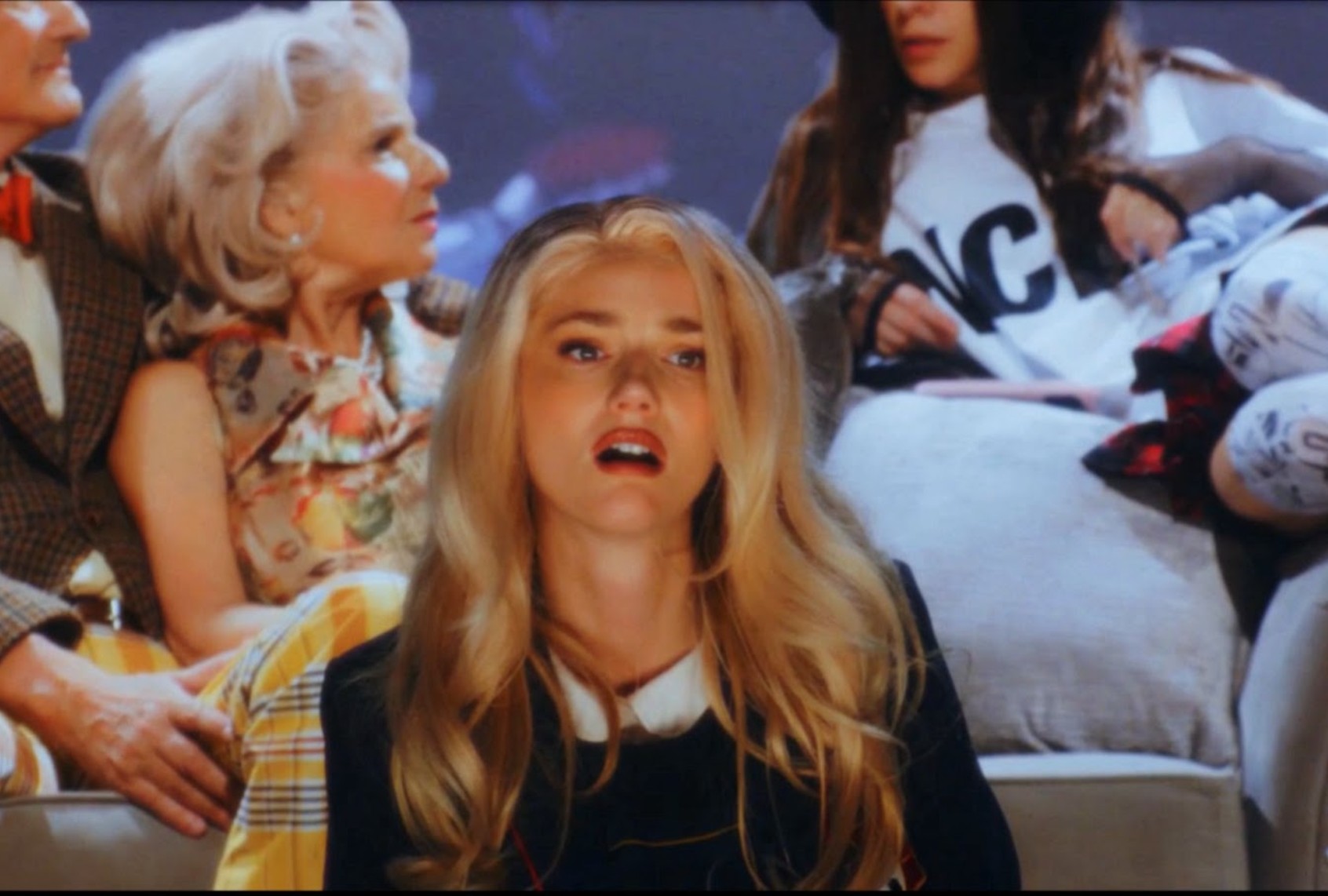
(Fast Rainbow Films) Betsey Brown in “www.RachelOrmont.com”
8) “www.RachelOrmont.com”
Far too often, I grab my phone to look something up and, at an undisclosed amount of time later, realize I’m 1,000 thumb swipes from where I intended to be when I picked up my device. It makes me feel awful. It makes me want to, as Cher once said, shoot my phone and never look back. A similar feeling crept over me watching “www.RachelOrmont.com,” Peter Vack’s scathing underground satire of neu-digital conservatism, meme palaces and online edgelording. The film follows Rachel (a remarkable Betsey Brown), a young woman obsessed with the fictional popstar Mommy 6.0 (Chloe Cherry), whose fixation leads her down the tech rabbit hole and into an absurdist Hell that feels like a TikTok subculture we were never meant to see. “RachelOrmont” is cruel, clever and audacious to a fault, but when Rachel breaks free of her tech prison, Vack’s film transforms into a grim and deeply necessary indictment of our shared digital compulsions.
www.RachelOrmont.com is playing in select showings across America.
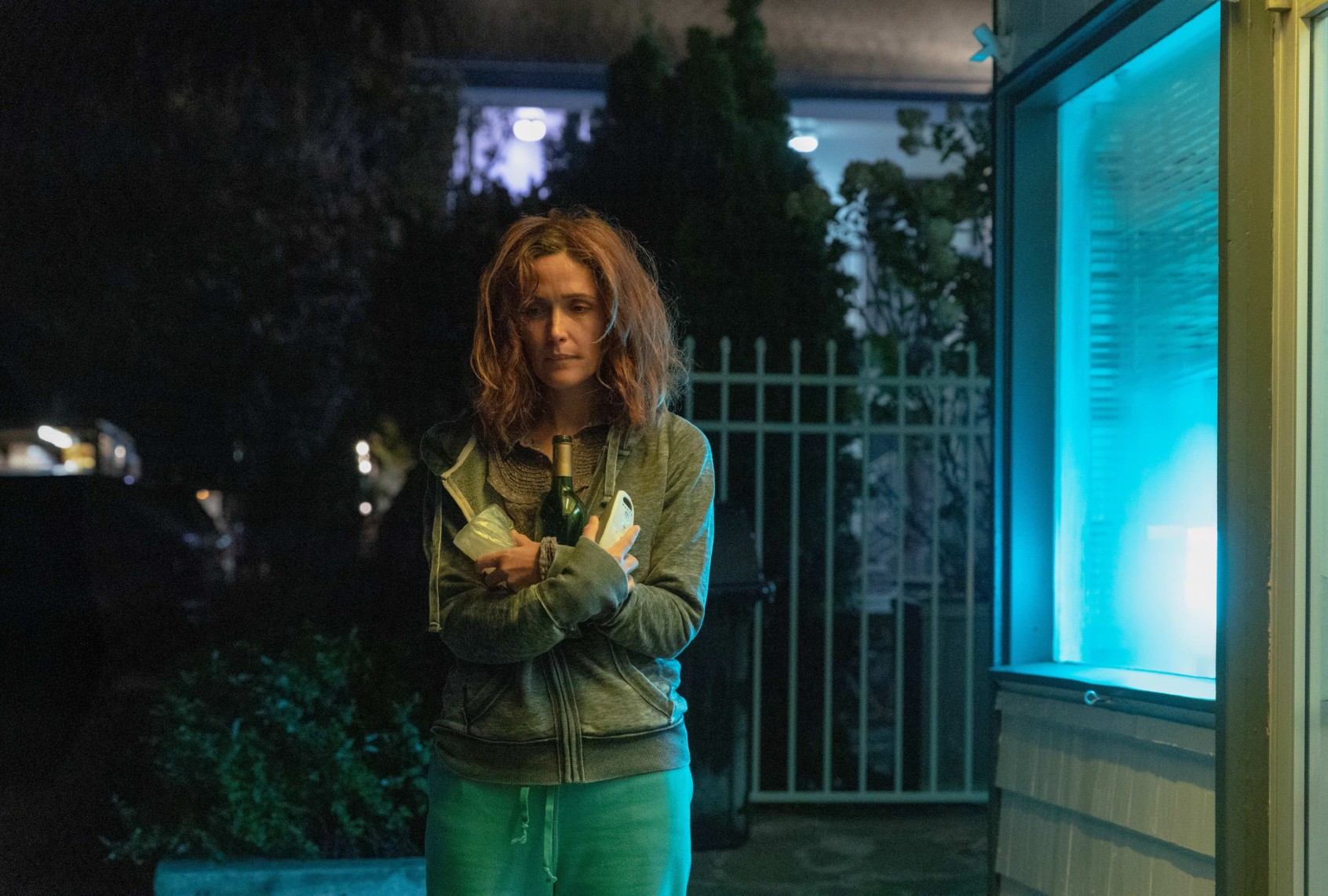
(A24) Rose Byrne in “If I Had Legs I’d Kick You”
7) “If I Had Legs I’d Kick You”
Of all the films to proficiently capture the feeling of trying to stay afloat in a year like 2025, writer-director Mary Bronstein’s “If I Had Legs I’d Kick You” is easily the most comprehensive. No other film this year has such an eye for the day-to-day insanity of modern life, and as such, so much compassion for all of the people just trying to scrape through the day for the privilege of standing dead-eyed, hunched over the counter, eating a lovely dinner of cold pizza. Rose Byrne’s overtired, overworked, overboozed, overstretched mother is repelled by her own title. Being a mom has never quite fit her, yet Linda has endless reserves of love for her young, unseen child. With this push-pull dynamic, Bronstein paints an honest portrait of a character whose best is never quite good enough, questioning if it’s possible to regain footing after a total loss of control.
“If I Had Legs I’d Kick You” is playing in theaters now.
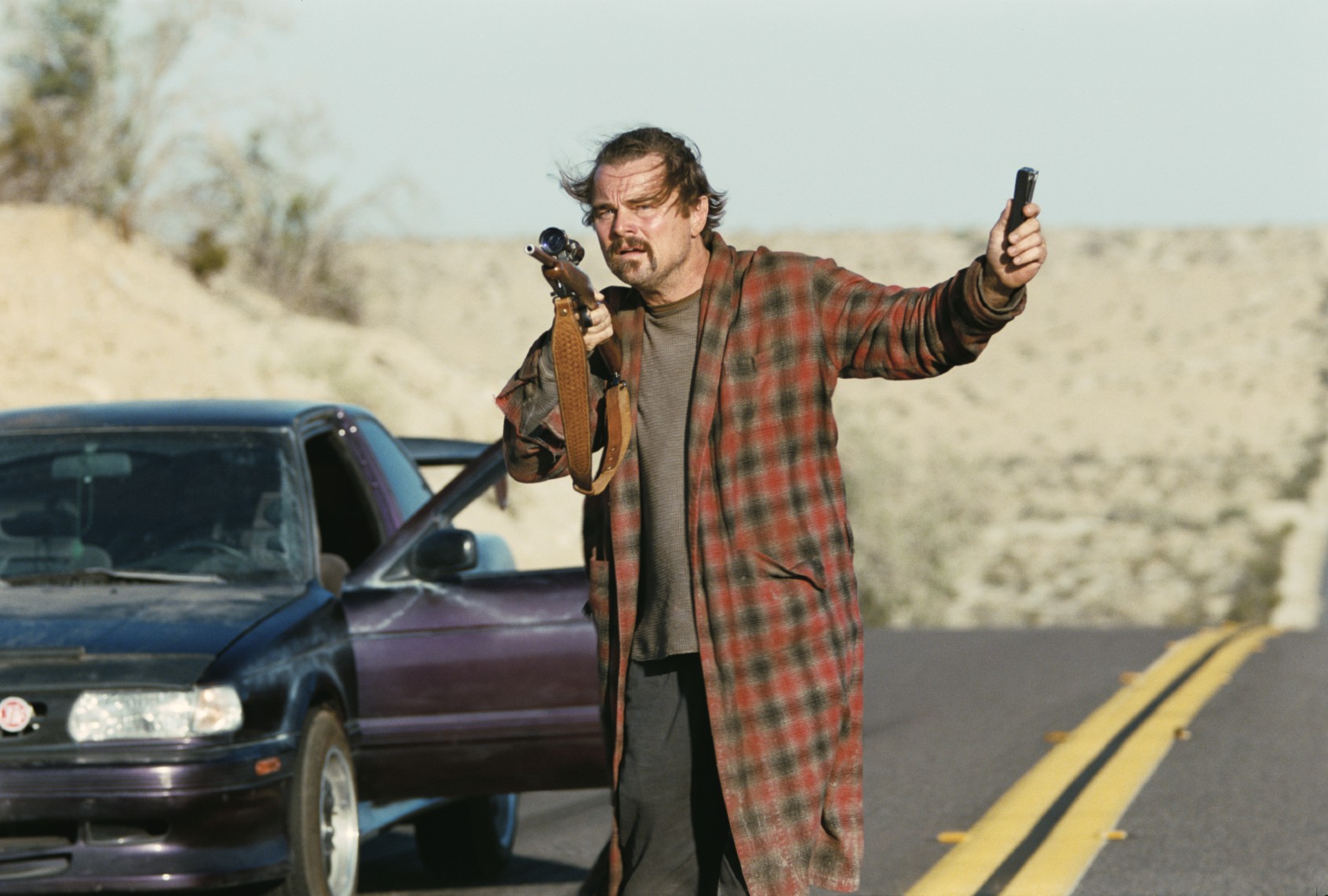
(Courtesy Warner Bros. Pictures) Leonardo DiCaprio as Bob Ferguson in “One Battle After Another”
6) “One Battle After Another”
Is it really any wonder that Paul Thomas Anderson’s latest quietly became one of the most critically must-see movies this decade? If there was one film that shook its audience by the shoulder and looked them dead in the eye, it was “One Battle After Another.” PTA’s adaptation of Thomas Pynchon’s novel, “Vineland,” sees the world for how it is, and things aren’t looking great. Brave progressive radicalists like Bob (Leonardo DiCaprio) and Perfidia (Teyana Taylor) seem to be stopped at every turn by equally intrepid white supremacists, who work under the not-so-covert veil of big business and political influence. Instead of hand-wringing about all of the doom and gloom like so many other filmmakers, Anderson lets the viewer have some fun, deftly straddling the line between bleak and downright silly. “One Battle After Another” never once forgets that there is plenty of levity to be found in even the darkest, most dangerous times.
“One Battle After Another” is available on digital and back in theaters starting Dec. 12
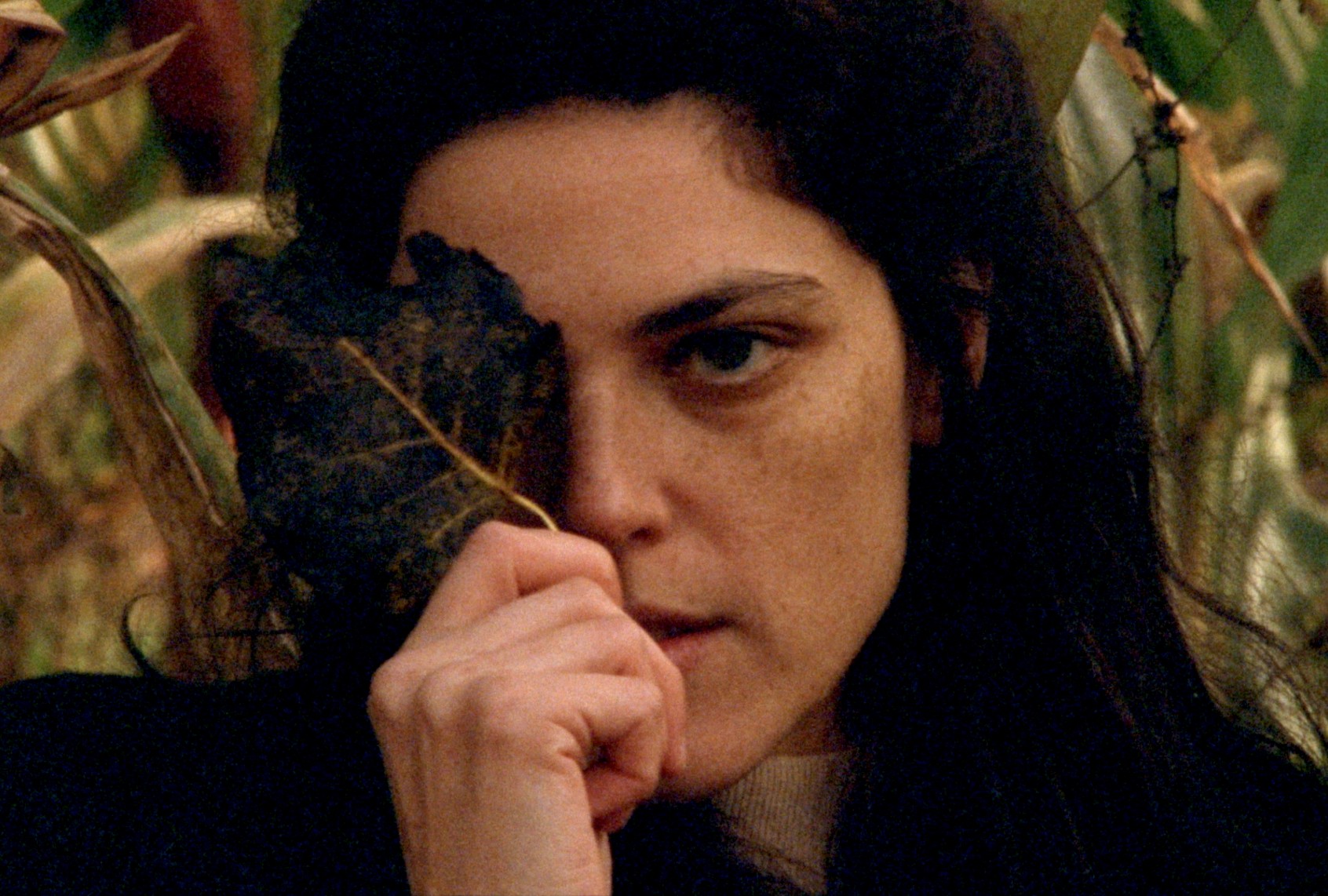
(Courtney Stephens/Mubi) Callie Hernandez as Carrie in “Invention”
5) “Invention”
Just when we get to a point where conspiracy theorizing dies down a bit, here comes Kim Kardashian espousing moon landing speculation. Funnily enough, Kardashian would probably adore Courtney Stephens and Callie Hernandez’s “Invention,” a brilliant, mostly-fictionalized film about conspiracy and family, sprinkled with bits of truth and real-life video of Hernandez’s father, a new-age healer turned conspiracist. “Invention” plays with form as it strings the viewer along its modest yet winding road, never quite giving us the full truth. In our ensuing curiosity, Hernandez and Stephens find fertile ground for the seeds of conspiracy, mimicking our own enthusiasm for deception. We want to be toyed with, to consider ideas that explain the worst truths with more sense than they’re typically afforded. In its meta construction, “Invention” artfully deconstructs our thirst for knowledge and how easily we’re swayed, even when we believe we’re the smartest one in the room.
“Invention” is streaming on MUBI
Want more from culture than just the latest trend? The Swell highlights art made to last.Sign up here
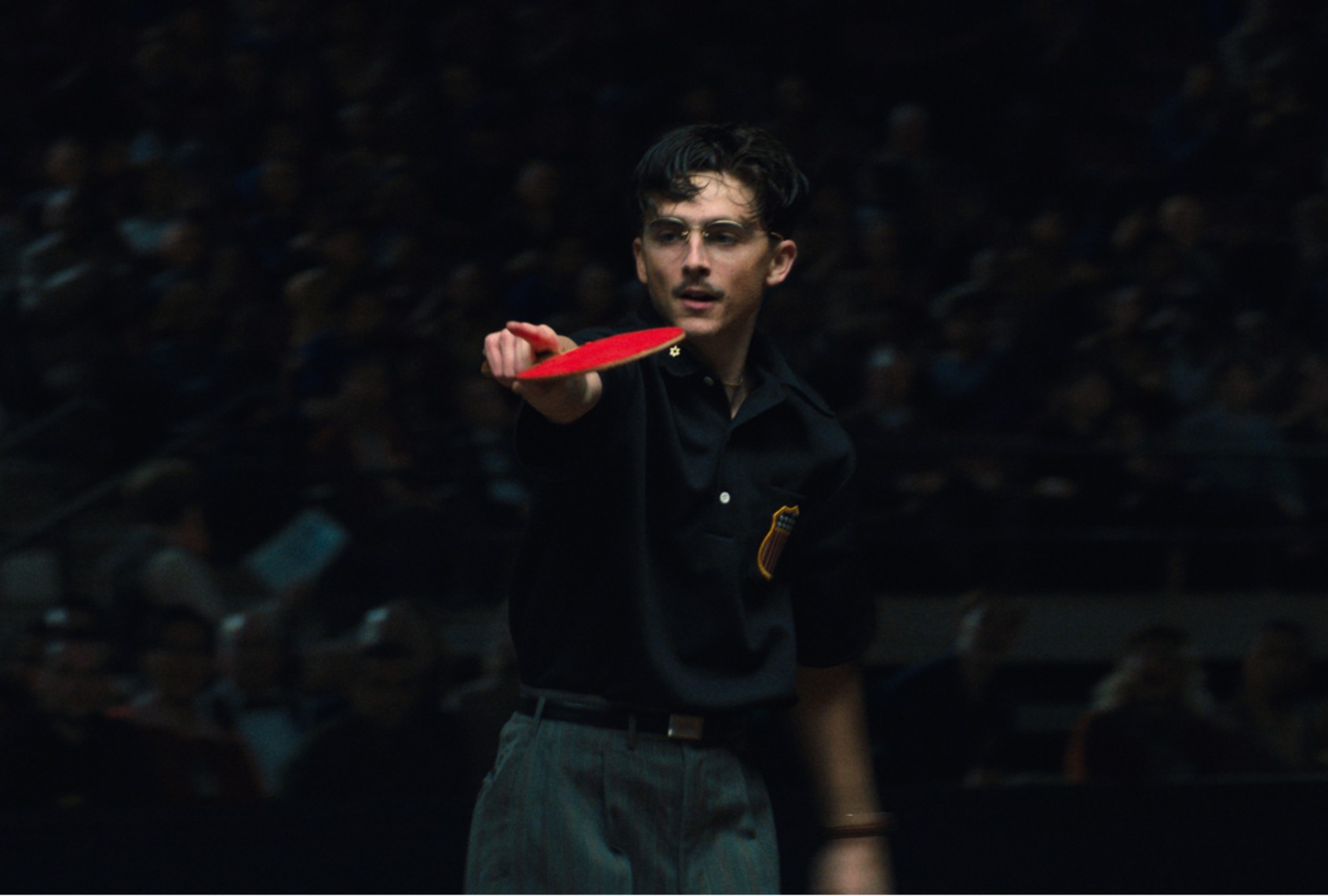
(A24) Timothée Chalamet as Marty Mauser in “Marty Supreme”
4) “Marty Supreme”
On its face, “Marty Supreme” looks like a prestige sports movie about pimply prodigy Marty Mauser (Timothée Chalamet) gunning for the title of table tennis world champion. But Josh Safdie’s epic, 1950s-set odyssey isn’t so much about the sport or even the player himself. Instead, Safdie pans out to examine Marty’s sociopathy: the sheer will, ruthless determination and effortless charm it takes to be the best, and why Marty is so hell-bent on achieving his dream at the cost of his dignity. Despite its period setting, “Marty Supreme” is an ultra-relevant tale about the pursuit of greatness at any cost, and the importance of keeping your identity within reach during ascension — even if it’s for something as seemingly insignificant as ping-pong.
“Marty Supreme” is in theaters nationwide Dec. 25
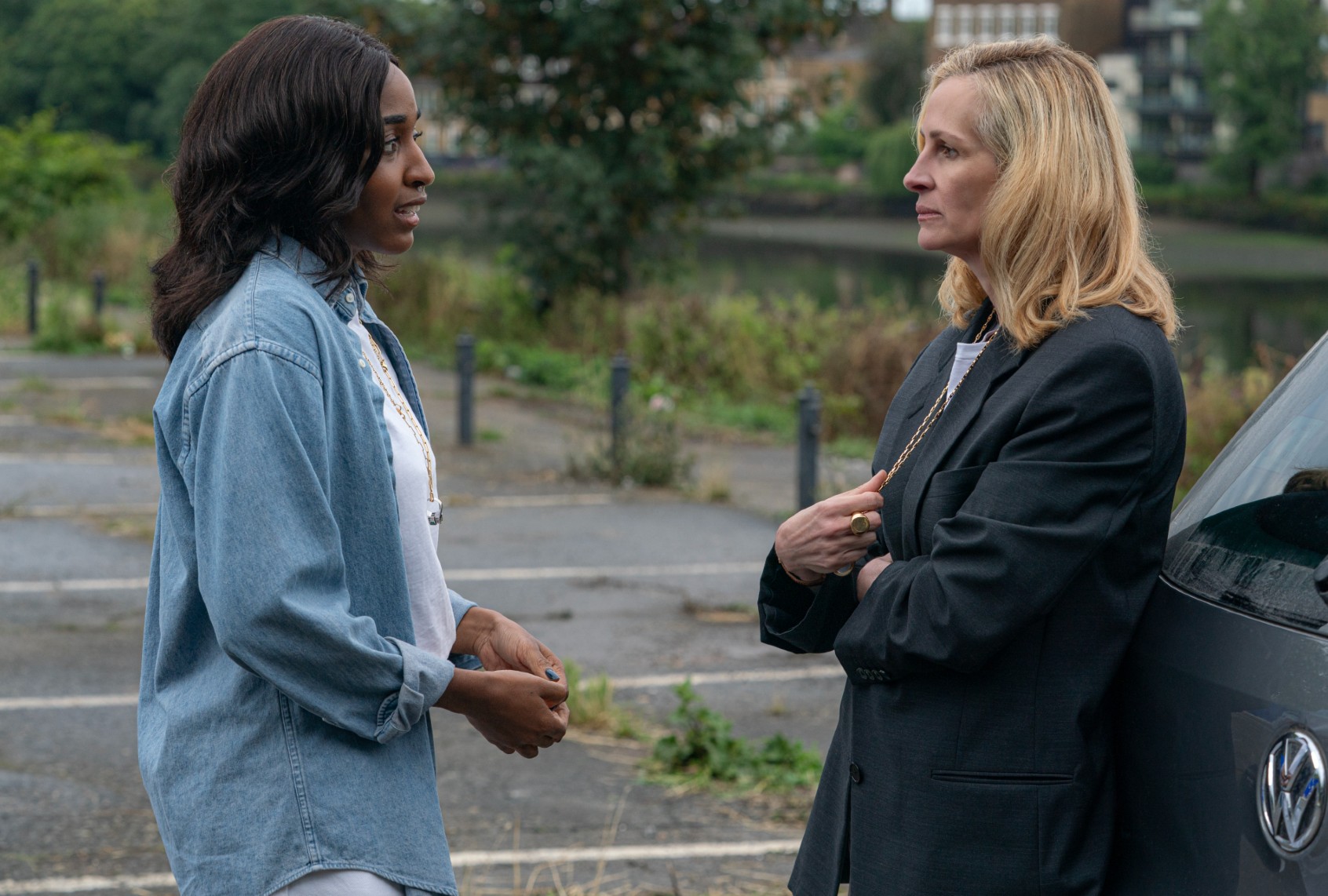
(Amazon MGM Studios) Ayo Edebiri as Margaret “Maggie” Resnick and Julia Roberts as Alma Imhoff in “After the Hunt”
3) “After the Hunt”
Leave it to Luca Guadagnino to use the remaining goodwill from last year’s crowdpleaser, “Challengers,” to lure prospective audiences into a thorny maze of collegiate corruption. The director has hinged his career on big swings, and “After the Hunt” might be his biggest yet: An unrelenting, puzzling and star-studded study of power and those deemed expendable in its pursuit. That the film’s release was quickly followed by Harvard professor Larry Summers’ suspension pending an investigation into ties with Jeffrey Epstein is mere coincidence, but it certainly helps Guadagnino and screenwriter Nora Garrett’s case. Immorality is everywhere. It lurks in the halls of famed institutions and the parking lots of dreary, run-down wharfs. While depravity is omnipresent, that doesn’t mean it’s all-consuming. And as “After the Hunt” assesses the futility of so-called cancel culture, the film carefully avoids assigning guilt, reminding the viewer that there is still plenty of gray area between good and bad.
“After the Hunt” is streaming on Prime Video
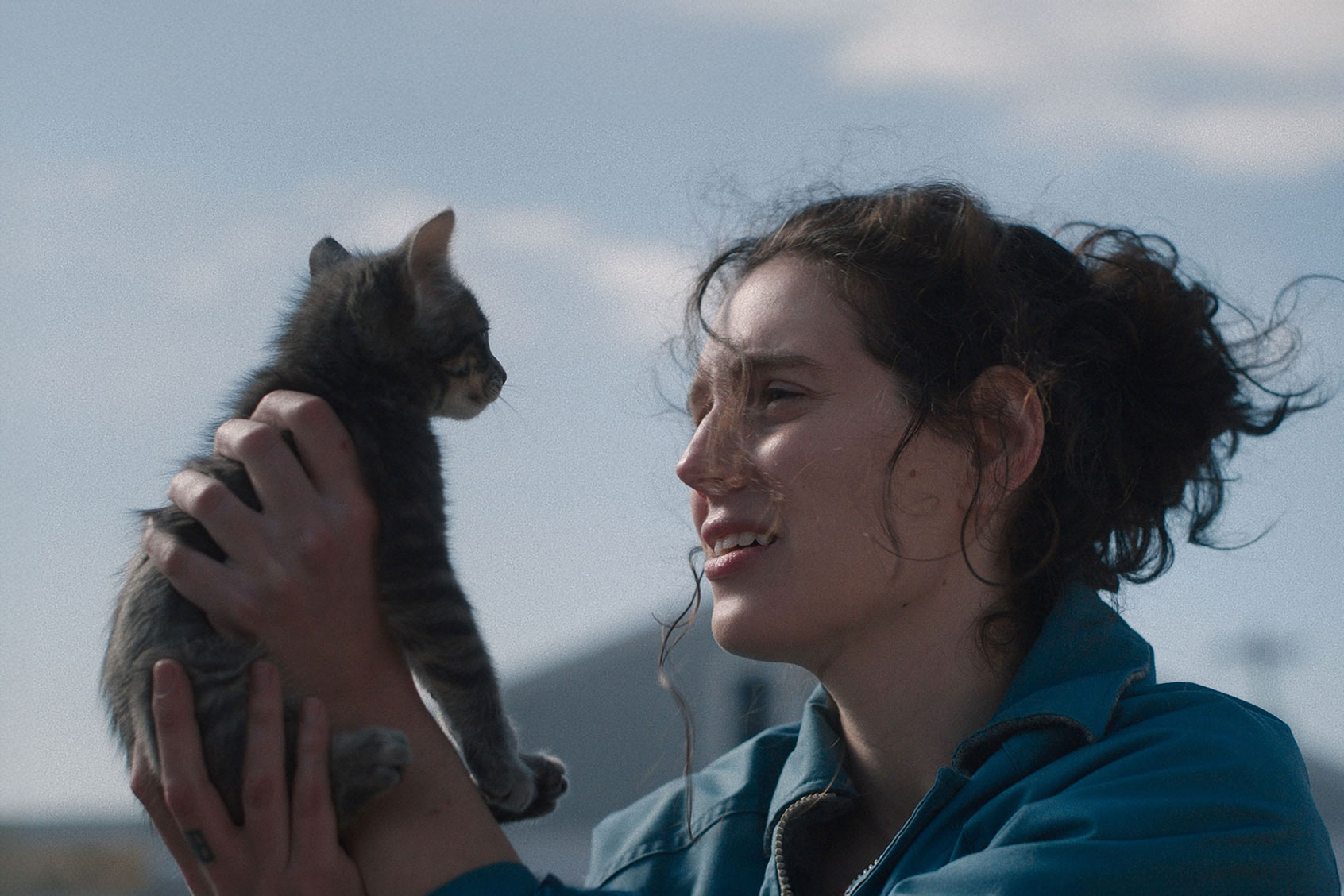
(Courtesy of Sundance Institute/Mia Cioffi Henry) Eva Victor in “Sorry, Baby”
2) “Sorry, Baby”
Writer, director and star Eva Victor’s debut feature “Sorry, Baby” is appropriately opaque. Something bad happened to Agnes (Victor), a New England post-graduate student trying to navigate life in a world that no longer makes much sense after the big, bad, nameless event. The audience knows exactly what happened to Agnes, but it’s key that the act goes unnamed. “Sorry, Baby” is not about Anges’ specific trauma, but rather how she grapples with it in a world that isn’t built for her. Though she tries to go it alone, Agnes finds that there is no better way to move forward than with the help of those in her orbit: her best friend, her sweet neighbor, a random sandwich shop owner and a stray cat. Victor dextrously explores how difficult it is to build trust once it’s lost, and why isolation is an appealing but ultimately ineffective coping tactic in the face of hardship.
“Sorry, Baby” is streaming on HBO Max
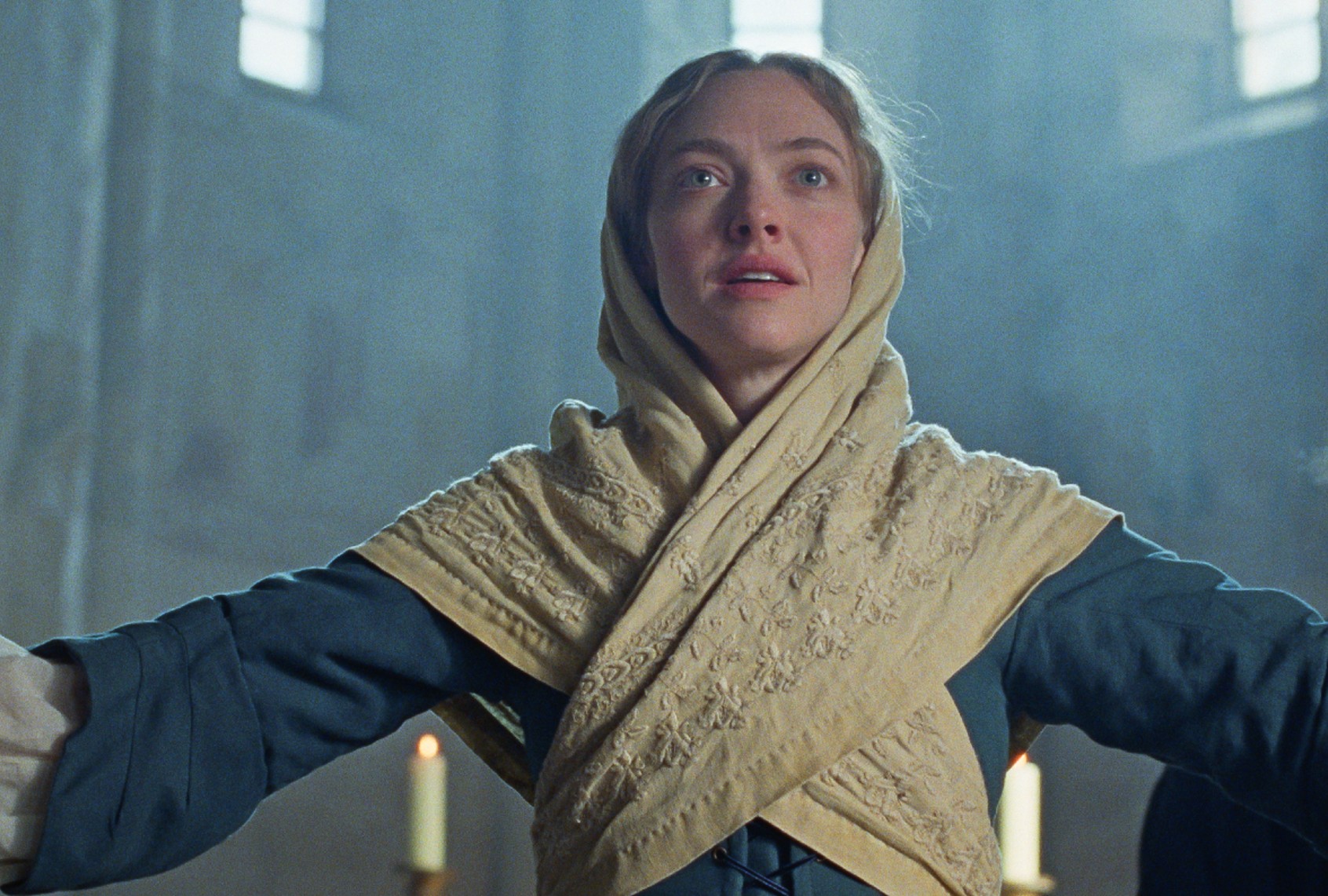
(Searchlight Pictures) Amanda Seyfried as Ann Lee in “The Testament of Ann Lee”
1) “The Testament of Ann Lee”
Unburdened by the contemporary setting that sometimes trips up a filmmaker’s boldest ideas, Mona Fastvold’s “The Testament of Ann Lee” is perhaps the year’s most extraordinarily perceptive film. As Ann Lee, the founder of the Shaker movement that preached celibacy as a form of divine contact, Amanda Seyfried approaches a career-defining role with stunning nerve. Like Ann, Seyfried is wholly committed to the vision, singing, dancing and reaching her hands to God with such celestial fervor that it feels as though she really is communing with something unseen. Fastvold’s film may not seem like a story for our time, but this movie is not about religion; it’s about faith. “The Testament of Ann Lee” follows a woman across oceans of grief and miles of land in her pursuit of a utopia she knows is possible. With a healthy dose of earnest conviction, no plague or prejudice can stand in your way.
“The Testament of Ann Lee” is in theaters nationwide Dec. 25
Read more
about great 2025 films that didn’t make our list


