

This article is adapted from Until the Last Gun Is Silent: A Story of Patriotism, the Vietnam War, and the Fight to Save America’s Soul (published January 2026 by Viking, an imprint of Penguin Publishing Group, a division of Penguin Random House LLC, all rights reserved).
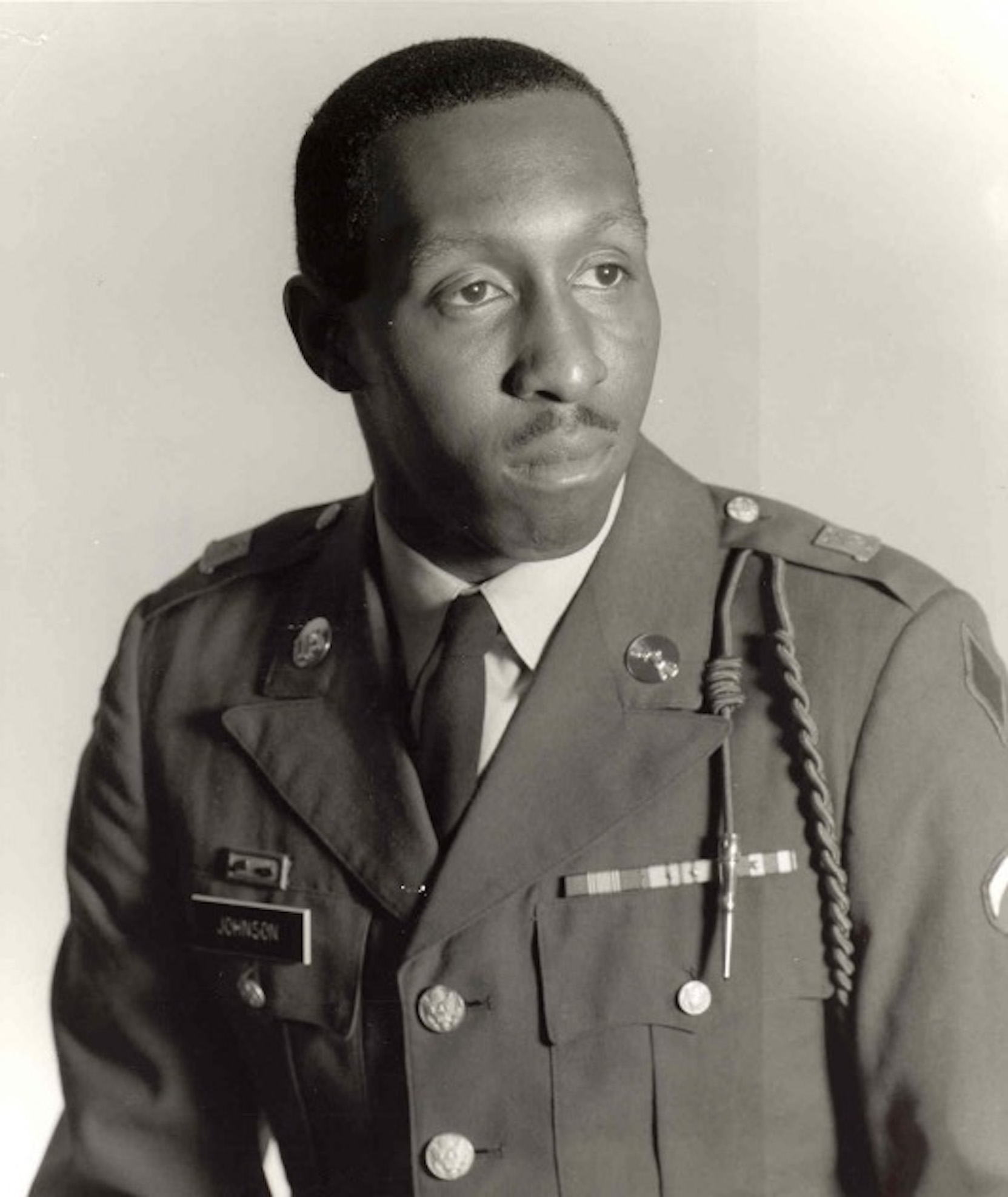
Dwight “Skip” Johnson, 19, returned home from his shift at a General Motors plant in Detroit one humid June evening in 1966 to find a letter awaiting him. He was to report to the Greyhound bus terminal on East Congress Street the following month for induction into the US military. “Willful failure to report at the place and hour of the day named in this Order subjects the violator to fine and imprisonment,” the letter warned.
More than 8 million Americans served in the armed forces during the Vietnam era, with about 3 million deployed in Southeast Asia, including more than 300,000 Black Americans. For a time, Skip would be among the most well-known. As a tank driver in the 69th Armor Regiment, he earned the Medal of Honor for fighting his way out of an ambush. He was celebrated by politicians and became an Army recruiter, until his life started to unravel. He slept fitfully, beset by nightmares and bleeding ulcers. Out of work, bills started to pill up. “Vietnam Hero Collapses Under Glory Strain,” read the headline in the St. Louis Post-Dispatch after an attempted robbery in Detroit ended Skip’s life in April 1971. Psychiatrists Robert Jay Lifton and Chaim Shatan, who pioneered the study of post-traumatic stress disorder, identified Skip as the first high-profile example of the war’s psychological toll. He came to symbolize the complicated legacy of a generation.
I have been thinking back on Skip’s story—which I recount in my new book about Black soldiers who served in Vietnam—as the Trump White House and its so-called Department of War move to disparage the historical and contemporary military service of Black Americans.
Shortly after taking office, in February 2025, President Donald Trump abruptly fired General Charles “CQ” Brown, then chairman of the Joint Chiefs of Staff, as part of a purge of military leaders who advance diversity, equity, and inclusion (DEI) efforts. In March, Arlington National Cemetery scrubbed from its website educational materials about the history of Black service members, including the Tuskegee Airmen and even General Colin Powell, the first Black Joint Chiefs chairman. In July, the Army updated its grooming standards to phase out waivers that allowed soldiers diagnosed with Pseudofolliculitis barbae, or ingrown hairs, to grow beards. “Of course, this is racially motivated, there is no tactical reason,” a senior noncommissioned officer told the news site Military.com. The article cited an estimate from the American Osteopathic College of Dermatology that up to 60 percent of Black men have the condition.
With these and other petty moves executed by Pete Hegseth, Trump’s loyalist secretary of “war,” the White House and Pentagon appear strangely determined to undermine, and even erase the evidence of, Black patriotism—not to mention the military’s hard-won reputation as an institution that embraces the talents and capabilities of all Americans.
Such efforts, at a time when the military is struggling to attract eligible recruits, amount to a colossal own goal. In the 50 years since the end of the Vietnam War, Black Americans have volunteered and reenlisted at higher rates than the general population. That’s not a talent pool you want to alienate. Per the most recent data available, Black Americans make up almost 14 percent of the civilian population, but 17 percent of active-duty service members across all branches. In the Army, nearly a quarter of all active-duty enlisted personnel are Black—and Black women make up 36 percent of all enlisted women.
Against this backdrop, it is important to recognize individual stories of Black valor and sacrifice, such as Skip Johnson’s. The volunteers who step up today—of all racial and ethnic backgrounds—have much in common with Skip: young, working-class men and women from Rust Belt cities and rural towns, for whom military service offers greater promise than the alternatives.

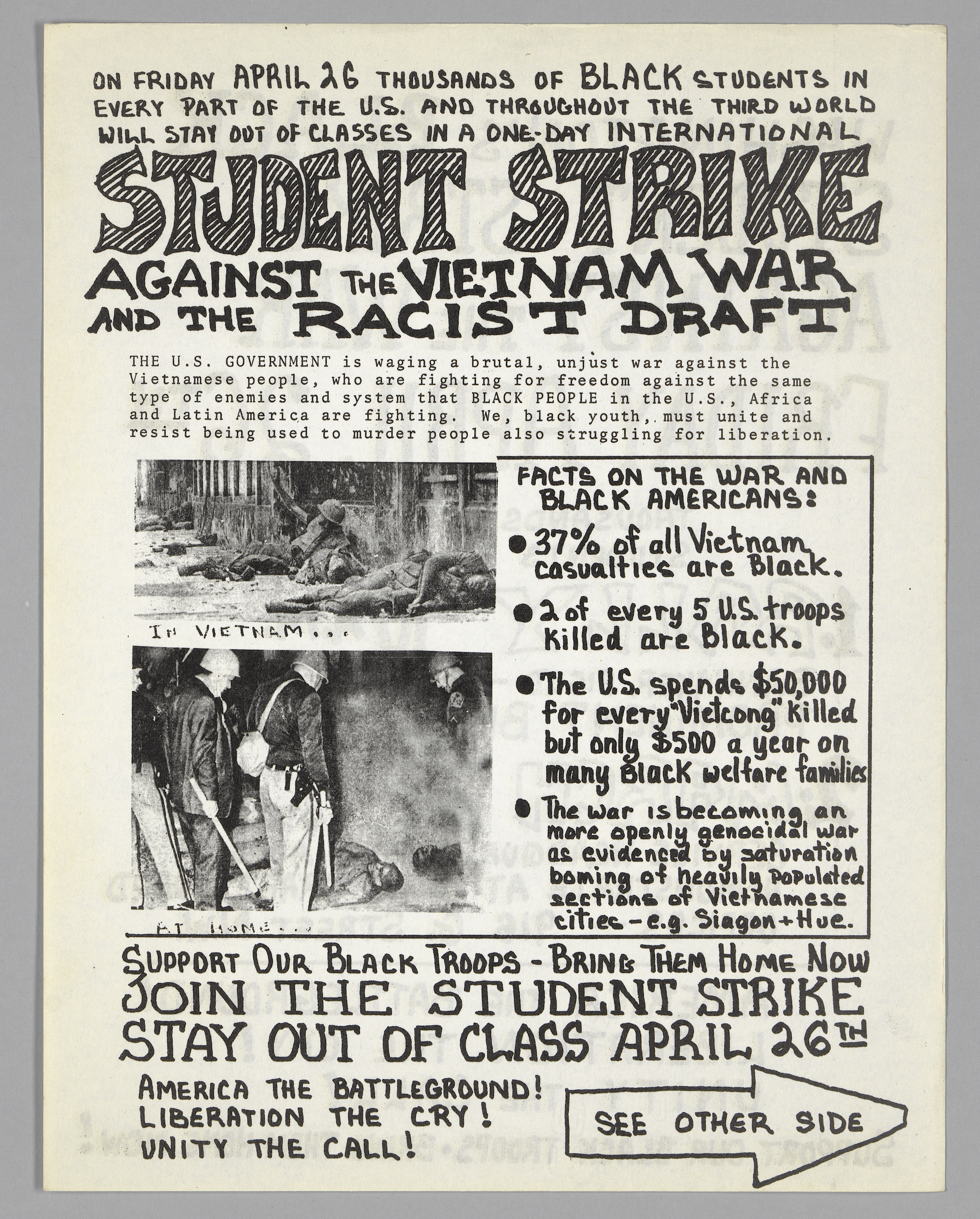
Back in the summer of 1966, Skip was an 18-year-old who had just graduated from Northwestern High School in Detroit. Like other men his age, he was required to register for the Selective Service. More than 230,000 men ages 18 to 26 had been drafted for military service in 1965, more than double the prior year. Skip knew several guys from his neighborhood who were required to report for duty. He had been anticipating the draft for months, unsure how he would feel when the notice finally arrived. Now, staring at the letter that would change the trajectory of his life, he thought of his mother and younger brother. After his stepfather, a Jamaican immigrant farmworker, was deported a decade earlier, he’d taken on adult responsibilities. His family relied on him, and he liked being relied on. If he were sent to Vietnam, who would take care of them?
He was also scared. Reports of US casualties were everywhere—on the evening news, in magazines, splashed across front pages. What worried him most was how many of the fallen looked like him. The disproportionate number of Black servicemen killed in the early stages of the Vietnam War brought a particular dread.
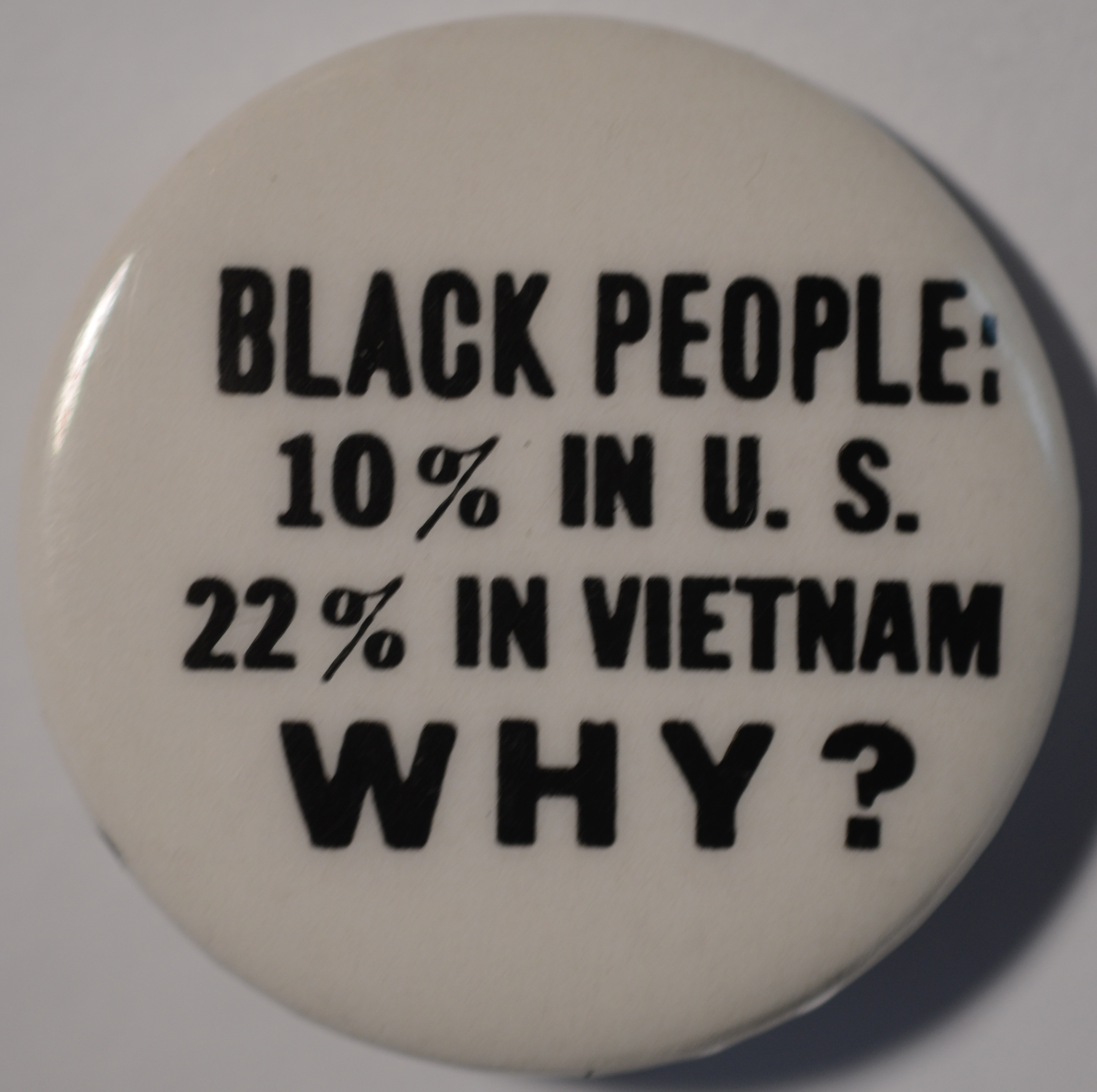
Early in 1966, the Pentagon released data showing that Black troops made up just under 15 percent of the Army in Vietnam but accounted for more than 18 percent of US military deaths there between 1961 and 1965. At the time, Black people were roughly 11 percent of the population. “Negroes Dying Faster than Whites in Vietnam,” read a headline in the New York Amsterdam News, a leading Black newspaper. “It is not likely to give comfort to Negroes battling to gain equality on the home front,” its editors declared, “to learn that they are being given more than an equal opportunity to die for their country on the battlefield of Vietnam.”
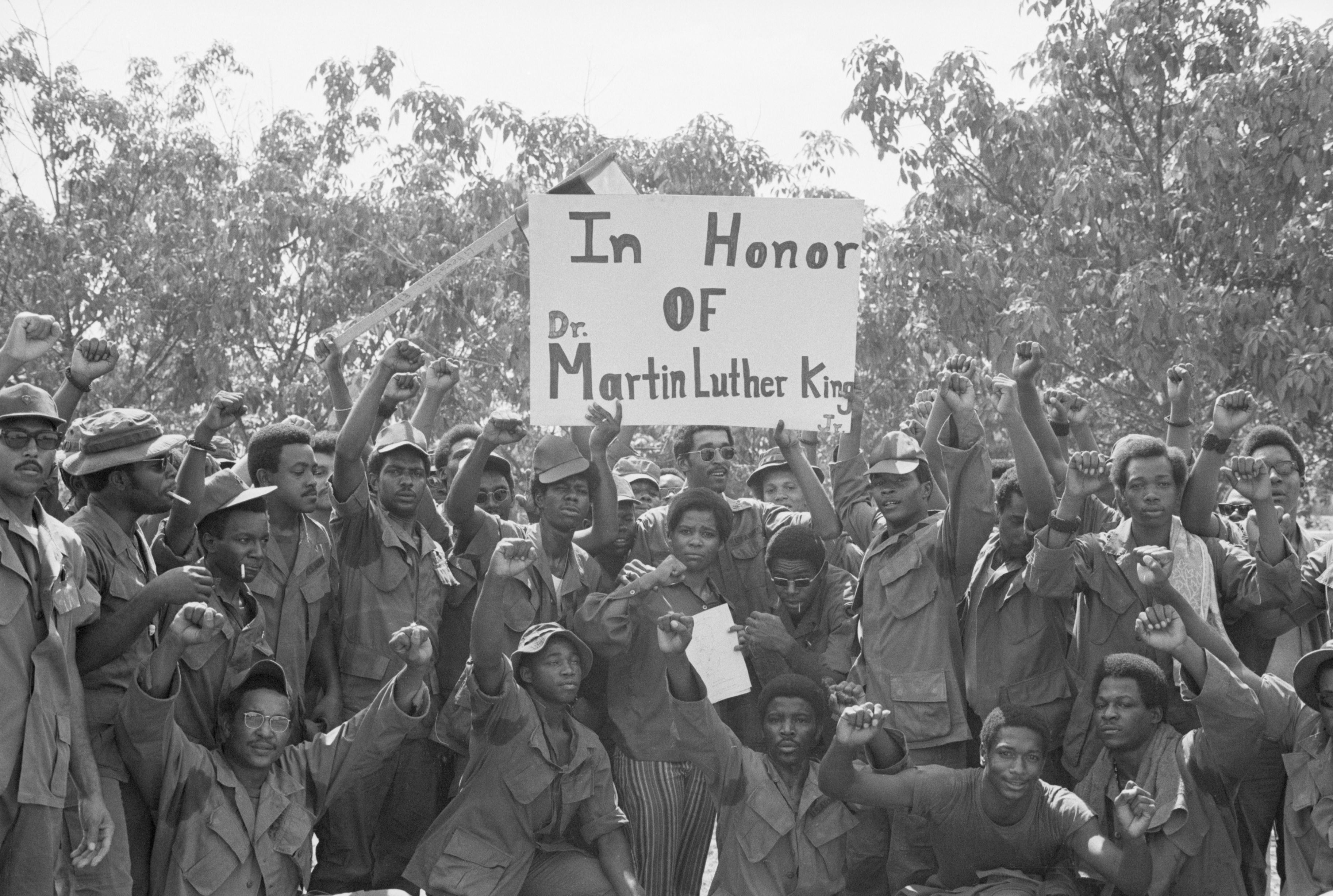
This disparity gave critics of the war new ammunition. They noted that less than 2 percent of local draft board members were Black, and 23 states had no Black board members at all. In Louisiana, the grand dragon of the Ku Klux Klan had led the state’s all-white draft board for a decade, until NAACP protests forced his removal. In Georgia, the chairman of the Atlanta draft board publicly referred to Julian Bond, the civil rights activist and George state representative, as “that nigger,” lamenting, “We sure let him slip through our fingers.”
These draft boards wielded enormous power, including the ability to determine who qualified for draft deferments—with student deferments often based on scores from the Selective Service College Qualification Test. “The draft deferment test brings the circle of racial discrimination full cycle,” argued Rep. Adam Clayton Powell Jr., a Democratic congressman who represented Harlem. Powell charged that standardized testing favored white, middle-class students. “First, we provide inferior education for Black students. Next, we give them a series of tests which many will flunk because of an inferior education. Then we pack these academic failures off to war.”
Among the Black men already serving, too, there was a growing unease that they were essentially cannon fodder. “I think we’re being killed off,” a Marine private stationed in Dong Ha told the Washington Evening Star in May 1968. “I think we’re being used.”
At the same time, some Black leaders offered more optimistic interpretations of the outsize role Black troops were playing in the war. “I feel good about it,” Lt. Colonel George Shoffer, one of the Army’s highest-ranking Black officers, told the New York Times in March 1968. “Not that I like the bloodshed, but the performance of the Negro in Vietnam tends to offset the fact that the Negro wasn’t considered worthy of being a front-line soldier in other wars.” Whitney Young, executive director of the National Urban League, echoed that sentiment after visiting Vietnam at President Lyndon Johnson’s request. A World War II veteran, Young argued in his newspaper column that “race is irrelevant” in Vietnam and that in “the muck and mire of a war-torn land, colored soldiers fight and die courageously as representatives of all America.”
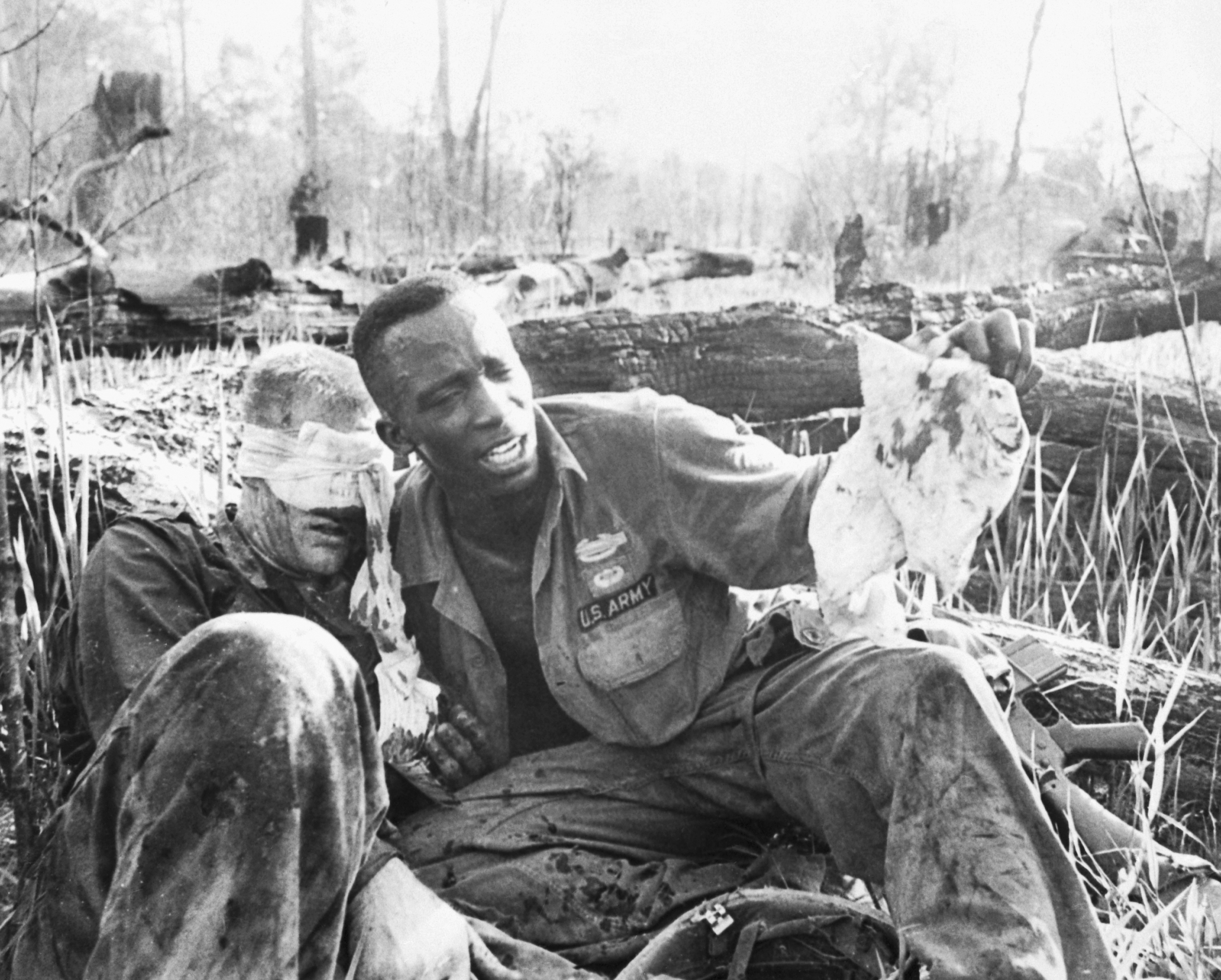
The numbers seemed to support this notion of Black courage—but also a lack of opportunity back home. In 1966, two-thirds of Black Army soldiers reenlisted when their contracts expired, compared with 20 percent of white soldiers. And in a Harris poll that year, two-thirds of Black respondents believed Black Americans had better chances to advance in the military than in civilian life.
On June 30, 1966, days before Skip was scheduled to report for duty, three soldiers from Fort Hood, Texas, made national headlines by refusing to deploy to Vietnam. The “Fort Hood Three”—Private First Class James Johnson, a Black man from Harlem; Private Dennis Mora, a Puerto Rican from Spanish Harlem; and Private David Samas, the son of Lithuanian and Italian immigrants from California—stood before a bank of reporters and television cameras to read a joint statement.
“We represent in our backgrounds a cross section of the Army and of America,” they began. “We speak as American soldiers. We have been in the Army long enough to know that we are not the only GIs who feel as we do. Large numbers of men in the service either do not understand this war or are against it.”
They condemned the conflict as “unjust, immoral, and illegal” and urged other soldiers to follow their lead. “Contrary to what the Pentagon believes,” they declared, “cannon fodder can talk.”
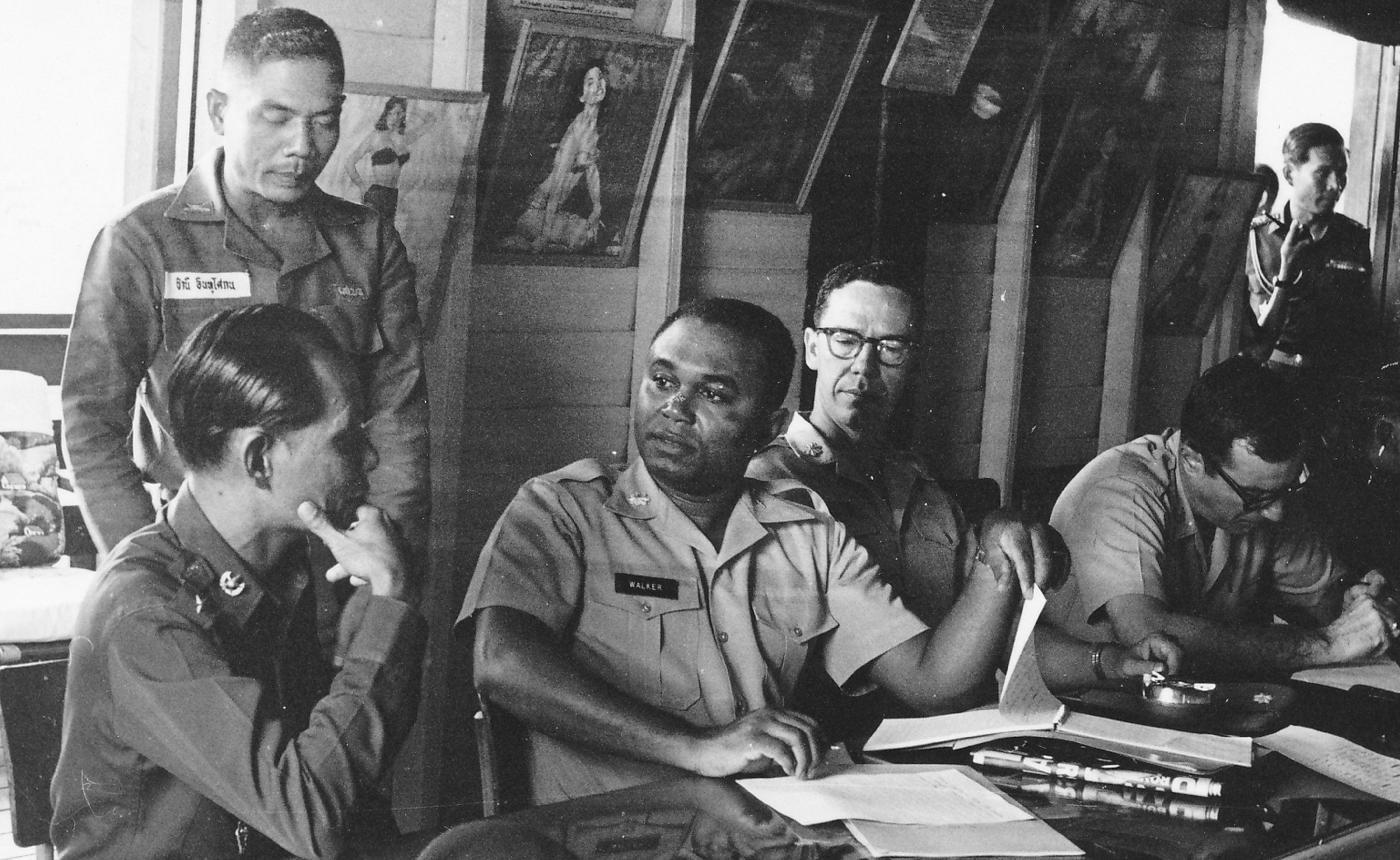
Their public defiance—which was the first time enlisted men openly refused orders to Vietnam—shocked the military and inspired antiwar activists. Folk singer Pete Seeger wrote a protest song, “Ballad of the Fort Hood Three,” in their honor. They were court-martialed, dishonorably discharged, and sentenced to three years of hard labor.
Secretary of Defense Robert McNamara felt like he knew Skip Johnson—even though he had never heard of him. To McNamara, “Skip Johnson” was of a type: one of thousands of young men from poor and working-class backgrounds for whom military service could serve as a lifeline. At a Veterans of Foreign Wars convention in New York in August 1966, McNamara announced Project 100,000, a sweeping initiative to induct 100,000 men into the military each year—most of whom had previously failed the Armed Forces Qualification Test.
McNamara cast the project as a fusion of military necessity and social uplift that he framed as an extension of President Johnson’s war on poverty. He declared that tens of thousands of men, “most of them with ‘poverty-encrusted’ backgrounds, would be ‘salvaged’ for military duty.” The program, he claimed, would “rehabilitate the nation’s subterranean poor” and “cure them of the idleness, ignorance, and apathy” that defined their lives.
“The poor of America…can be given an opportunity to serve in their country’s defense,” McNamara said, “and they can be given an opportunity to return to civilian life with skills and aptitudes which for them and their families will reverse the downward spiral of human decay.”
The logic behind Project 100,000 drew heavily on the thinking of political scientist, scholar, and White House adviser Daniel Patrick Moynihan. In 1963, Moynihan wrote “One Third of a Nation: A Report on Young Men Found Unqualified for Military Service,” which argued that mass disqualification from the draft reflected a deeper national crisis. Two years later, his controversial report “The Negro Family: The Case for National Action” advanced the theory that entrenched family behavior patterns and family instability—not structural inequality—had created a “culture of poverty” in Black communities.
Moynihan saw the military—“a world run by strong men and unquestioned authority”—as the antidote. “The biggest opportunity to do something about Negro youth has been right under our noses all the time,” he argued in an internal White House memo. “Very possibly our best hope is seriously to use the armed forces as a socializing experience for the poor, until somehow their environment begins turning out equal citizens.”
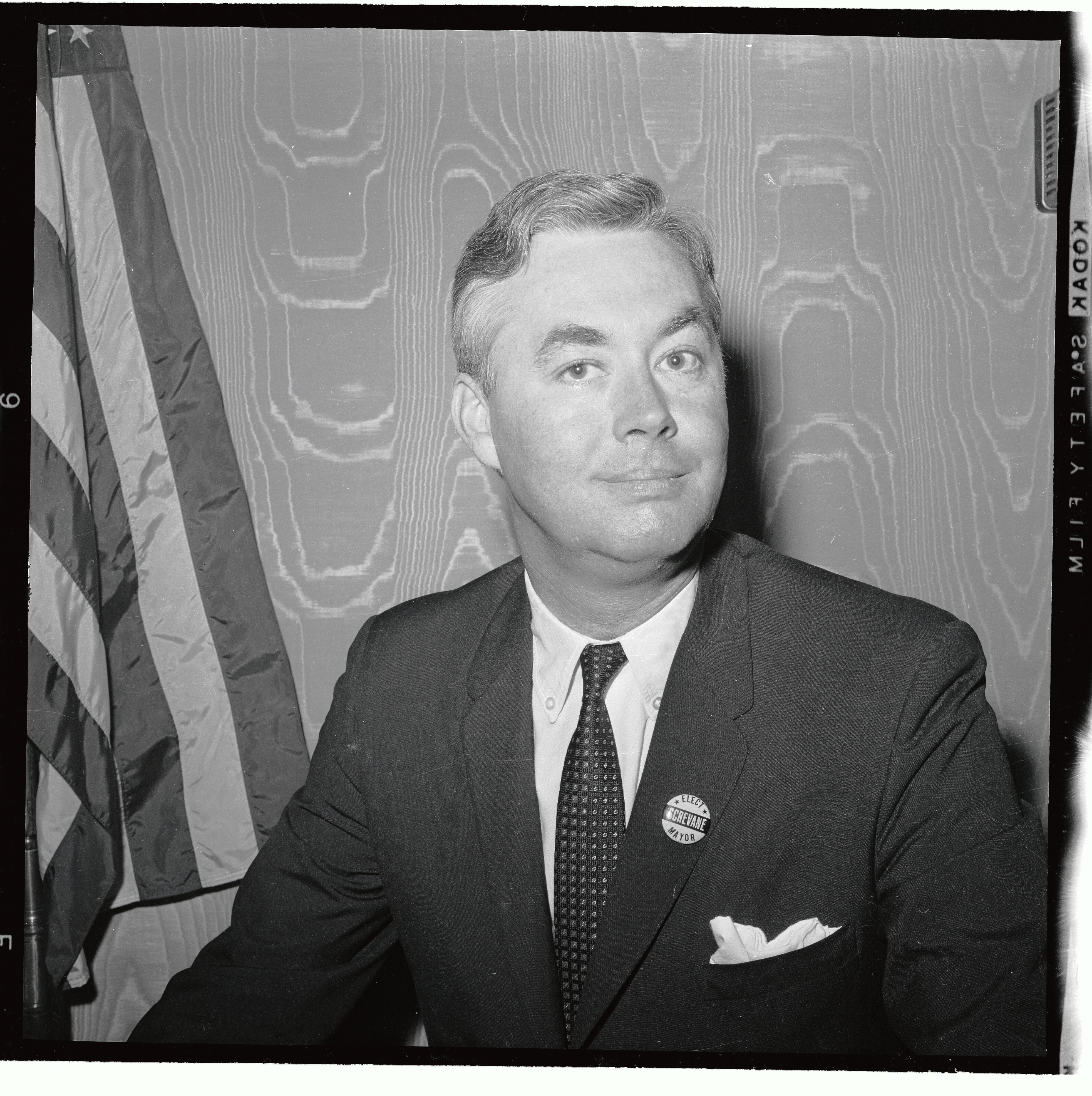
Moynihan believed expanding military service could directly reduce racial disparities in employment. “If 100,000 nonwhite men were added to the Armed Forces and resulted in a decrease of 100,000 in the unemployed, that unemployment rate would drop from 11.5 percent to 6.4 percent,” he calculated. At a time when Coretta Scott King—who is rarely celebrated as the leading antiwar activist she was—along with husband Martin Luther King Jr. and other activists charged that the war was draining resources from domestic programs, Moynihan and McNamara urged the president to view the military as an anti-poverty tool.
Over five years, from 1966 to 1971, McNamara’s initiative brought more than 300,000 men into the military who otherwise would have been deemed unfit for service. Nearly 40 percent of these “New Standards Men” were Black. “The plain fact is that our Project 100,000 is succeeding beyond even our most hopeful expectations,” McNamara told the National Association of Education Broadcasters in November 1967.
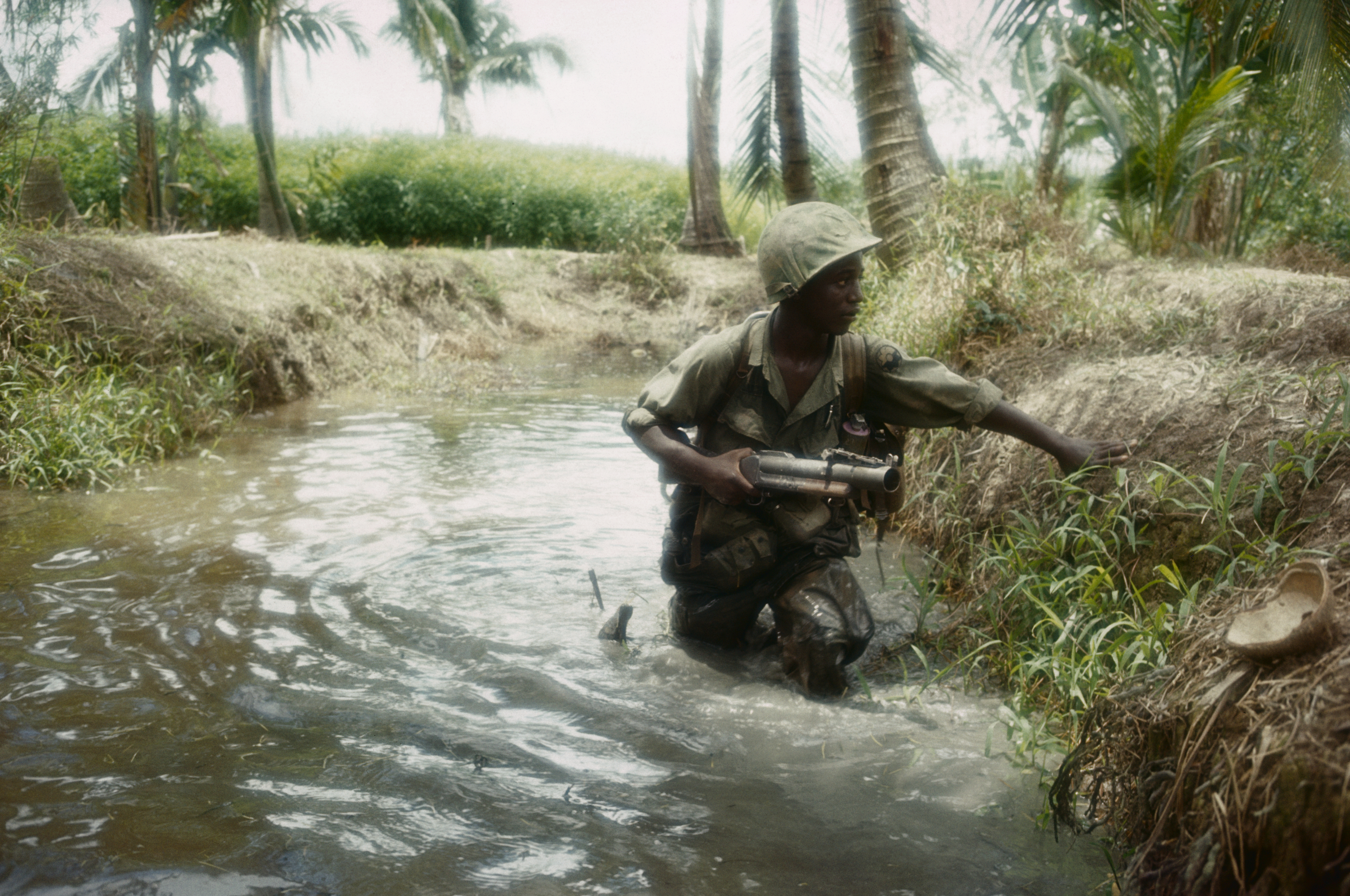
For the Johnson White House, the program was appealing because it expanded the draft pool without politically risky steps like activating reservists or drafting large numbers of college students—measures that could have ignited even more antiwar protests and congressional pushback. Instead, military recruiters scoured the country for more Skip Johnsons: poor and working-class men of all races.
Project 100,000 deepened the inequalities of a draft system that already favored families with money, education, and connections. In Queens, New York, for example, a wealthy real estate developer’s eldest son who would one day be president secured five Vietnam draft deferments—four because he was in college and the last based on a diagnosis of bone spurs, which the doctor’s daughters later claimed had been fabricated as a “favor” to the father. In Detroit’s wealthy suburbs, parents set up businesses in Canada and put their kids in charge to qualify them for deferments. Just across the Detroit River lay safety, but for Skip, fleeing to Canada was unthinkable.
“We’re setting up a kind of class warfare,” Lt. Colonel Jim Williams later told journalist James Fallows. “I wonder about the morality of a nation that lets the disadvantaged do the fighting.” Even Army General William Westmoreland came to describe the draft policy as “discriminatory and undemocratic,” resulting, he wrote in Military Review in 1979, “in the war being fought mainly by the poor man’s son.”
Some young soldiers rationalized the danger of combat in monetary terms. Roger Harris, who went from Roxbury—the heart of Boston’s Black community—to the Marines, remembered thinking: “If I die, at least my mother would get $10,000 life insurance benefit and be able to buy a house. She’d be rich.”
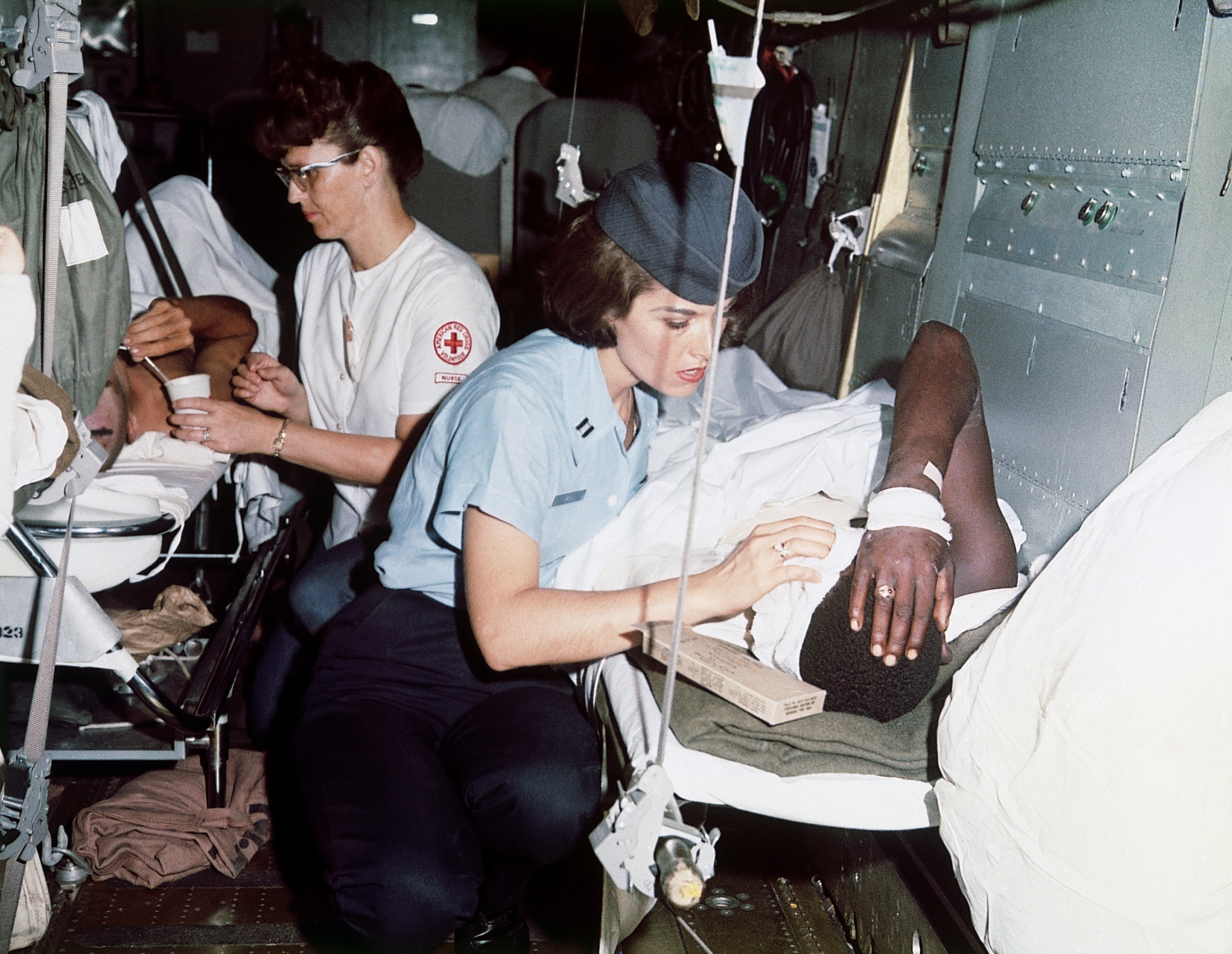
Across the country, casualty data reflected stories of opportunity—or its lack. In Illinois, men from working-class neighborhoods where the median family income was less than $5,000 were four times more likely to be killed in Vietnam than those from areas where family incomes exceeded $15,000. (The median family income in 1967 was $8,000.) In Beallsville, Ohio—a rural town of just 450 residents—15 young men went to Vietnam. Several did not return. “They got our boys because this is a poor town and the boys can’t afford to go to college,” Mayor Ben Gramlich told the New York Times in 1969, after the town’s sixth military funeral.
Thomas Edison High School in North Philadelphia—a working-class neighborhood not unlike Skip’s own—lost more than 50 young men over the course of the war, the highest-known death toll of any high school in the country. At Northwestern High, each month seemed to bring news of another former classmate wounded or killed: Wayne V. Glenn, hit by shrapnel in March 1966; Charles H. Shelton, died from gunshot wounds in June 1966; George H. Dorsey Jr., killed in Thi Ninh in February 1967.
Project 100,000 accelerated the losses. “When McNamara says he is going to draft 30 percent of the Black people out of the ghettos,” Stokely Carmichael told an audience at Morgan State University, “baby, that is nothing but urban removal.”
Skip was one of 382,000 men drafted in 1966—more than in any other year of the Vietnam War. As the Pentagon increasingly turned to poor and working-class teenagers to fill its ranks, the average draftee looked more like a Black kid from the Detroit projects than not.
Skip wasn’t yet 20 when he left Fort Knox for Vietnam. He had not asked to become a symbol—but in many ways, he was. He stood for a generation whose lives would be forever shaped by a war they did not choose.
On January 15, 1968, Skip’s 353rd day in Vietnam, his tank platoon was escorting a convoy of supply trucks from Kontum to Dak To when rockets fired by North Vietnamese troops slammed into the lead tanks. Amid the ambush, he struggled to rescue crewmates and defend himself, armed only with a pistol. “Specialist Johnson’s conspicuous gallantry at the risk of his life is in keeping with the highest traditions of the military service and reflects great credit on himself and the United States Army,” Secretary of the Army Stanley Resor said when Skip was awarded the Medal of Honor in a White House ceremony on November 19, 1968.
In Until the Last Gun Is Silent, I set out to tell Skip’s story. Friends, classmates, teachers, and his former pastor described an inquisitive and kind young man with a rich singing voice. I spoke with a dozen veterans from his unit, the 69th Armor, who remembered his laugh, his selflessness, and the tight bonds that formed in his four-man tank crews. His widow, Katrina May, a spirited septuagenarian, told me how, as teenagers, Skip flirted with her for months before she finally agreed to go out with him. During his deployment, they wrote letters back and forth, making each other laugh and falling in love through the mail—an epistolary romance, like a Jane Austen novel set in Detroit. Katrina stood by Skip when he returned home, through moments of celebration and spirals of despair. She spoke of a young man who had his whole life ahead of him—until he didn’t.
Like so many Vietnam veterans, Skip struggled with unemployment and the psychological wounds of war. On April 29, 1971, he was shot and killed in an attempted robbery at a Detroit convenience store. Across the country, people who had never met Skip found meaning in his story. After a Memorial Day parade in Middletown, Connecticut, Korean War veteran Raymond Dzialo encouraged the crowd to care for the “war living” who struggled upon returning from Vietnam. “There are thousands of war veterans who are equally as hopeless as Dwight Johnson,” he said. Veterans found job training and drug treatment lacking, he argued: “We are thankless for the duty they have performed.”
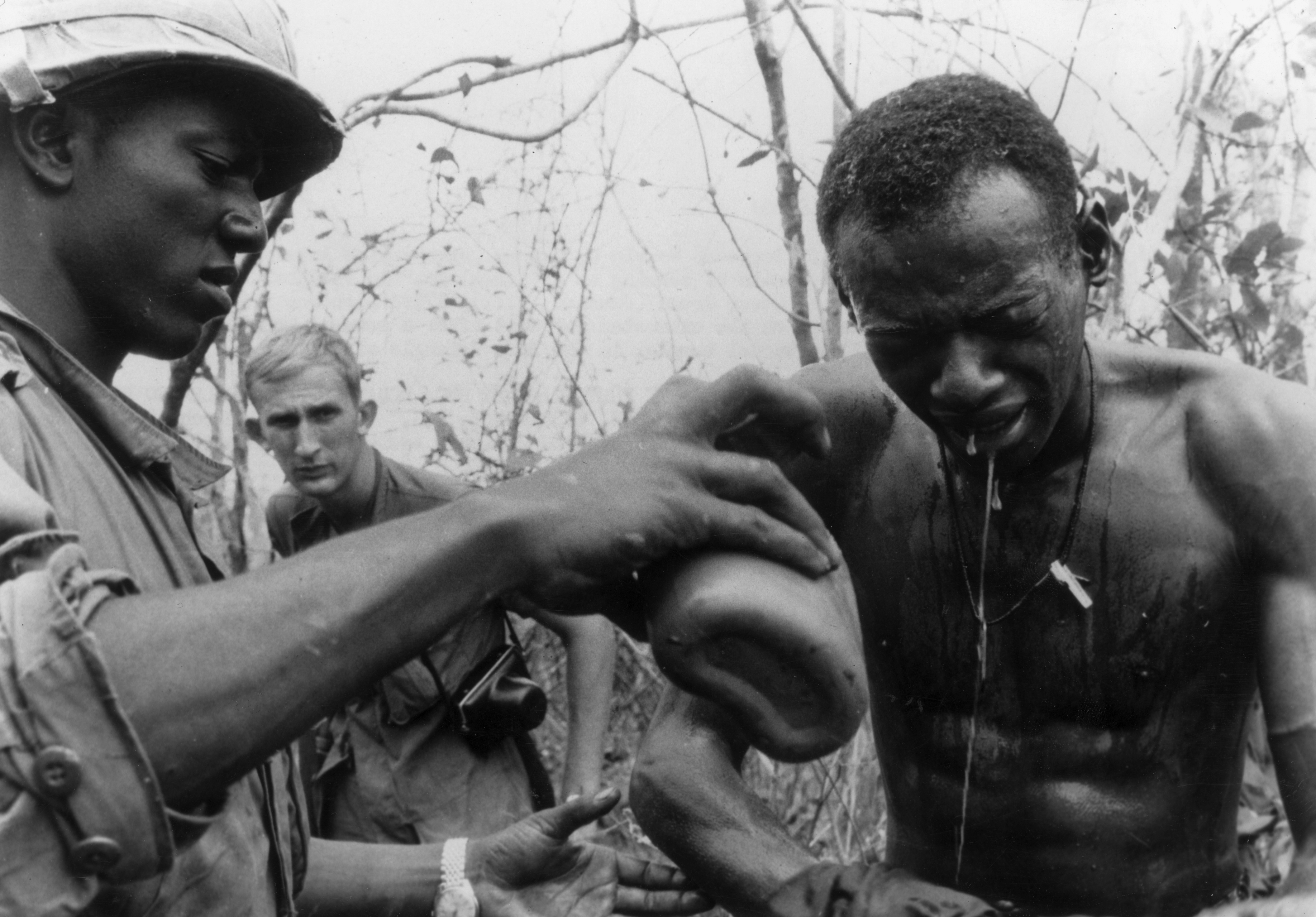
Dzialo, who had read about Skip’s death in a newspaper days earlier, said the lack of support he encountered after the war was a stain on America’s pride. “We must honor the war living with jobs, with respect, with care, with thanks, and above all, with love.”
Psychiatrists Robert Jay Lifton, Chaim Shatan, and their colleagues were also keenly interested in Skip’s story. The year before, they had begun leading group therapy sessions in New York City, organized by Vietnam Veterans Against the War. Listening to the men describe their emotions in these “rap groups,” the psychiatrists identified feelings of alienation, guilt, rage, and depression as common among many veterans. They hoped to identify enough shared characteristics to establish a medical diagnosis and improve the treatments available for returning soldiers.
“The dying of Congressional Medal of Honor winner Dwight Johnson on the floor of a grocery store has the impact of a modern tragedy,” they wrote in a June 1971 letter to the New York Times, in response to the paper’s report on Skip’s death. They sought to assign a new clinical language to a phenomenon as old as war itself—the Ancient Greeks called it “divine madness;” it was “soldier’s heart” in the Civil War, “shell shock” in World War I, and “combat fatigue” in World War II and Korea. Introducing the phrase “post-Vietnam syndrome,” the psychiatrists said Skip’s struggles echoed what they were hearing in their weekly sessions with veterans.
Lifton and Shatan discussed post-Vietnam syndrome widely over the next several years, lobbying for its recognition by the psychiatric community. They spoke at professional conferences, veteran advocacy meetings, and with journalists, and shared their findings in academic articles and books. They regularly cited Skip as “the first public acknowledgment of the existence of a Post-Vietnam Syndrome” and questioned government figures suggesting that “psychiatric casualties” among Vietnam veterans were lower than those from World War II or Korea.

Skip’s story helped to personalize the struggles of veterans more broadly. In 1980, thanks to Shatan and Lifton’s advocacy, the third edition of the Diagnostic and Statistical Manual of Mental Disorders officially recognized post-Vietnam syndrome as post-traumatic stress disorder. Shatan later estimated that the 12-year absence of a suitable clinical diagnostic category for veterans’ experiences—the American Psychiatric Association had removed “gross stress reactions” from the DSM-II in 1968—“saved the government hundreds of millions of dollars” in medical claims.
Today at Fort Knox, where Skip went through basic training and learned how to drive, maintain, load, and fire an M48A3 Patton tank, there remains a housing area for servicemen and their families named in his honor.
Although he shared a surname with a Vietnam-era president, only time will tell whether the Johnson Neighborhood will be renamed for being “DEI woke shit,” a phrase Hegseth used during a November 2024 podcast interview, not long before he was nominated as defense secretary.
After a year of wide-ranging efforts by Hegseth and others to denigrate Black military service, Skip’s life—in its triumph and its tragedy—serves as a powerful reminder that stories of true patriotism and sacrifice must never be erased, regardless of who embodies them.
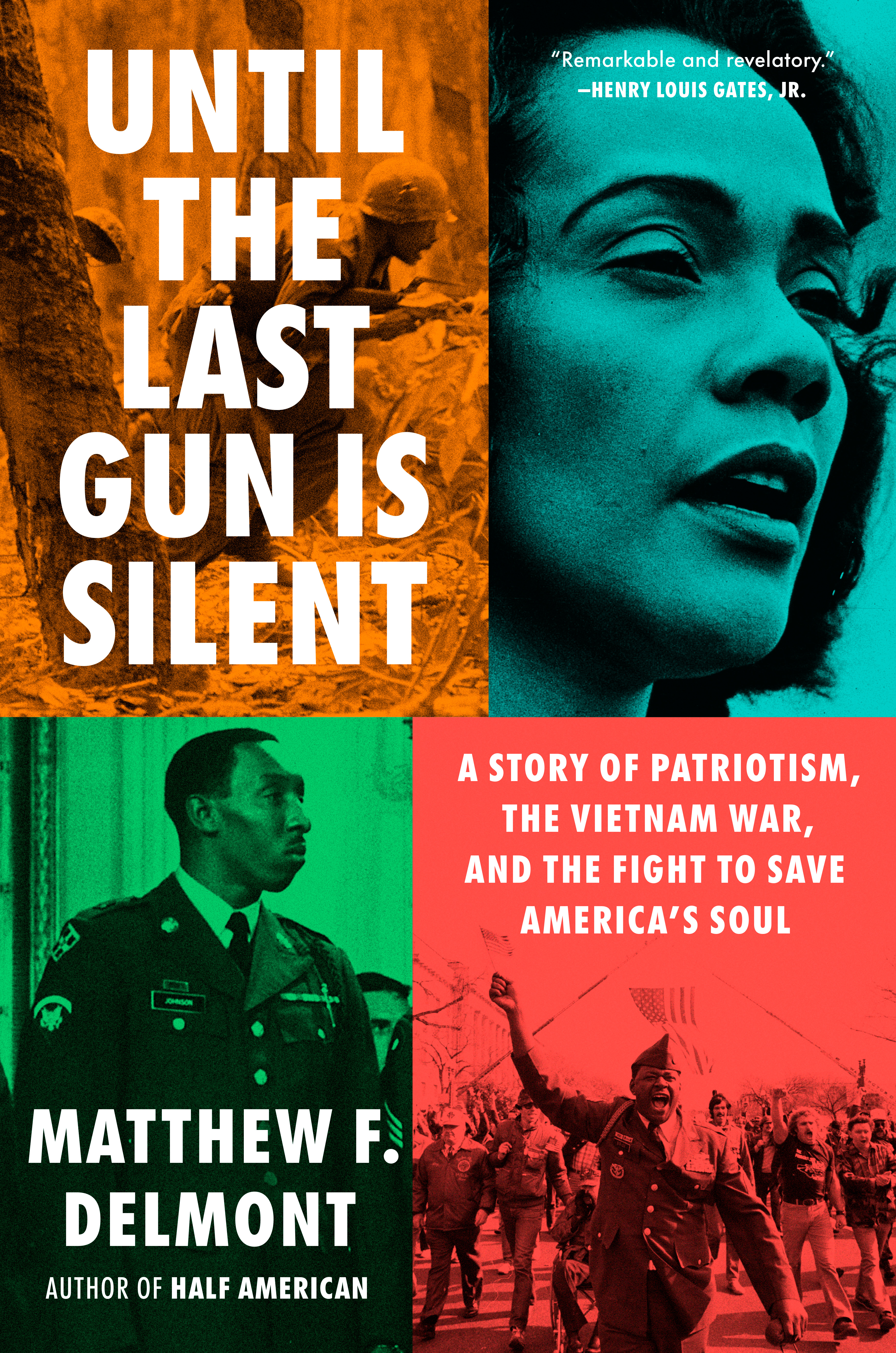
This article was adapted from Until the Last Gun Is Silent, copyright © 2026, published by Viking. It’s the untold story of the Black patriots—from soldiers in combat to peace protesters—who ended the Vietnam War and defended the soul of American democracy, from a preeminent civil rights historian and the award-winning author of Half American.


